Summary Overview and iconography Weight analysis Attribution
Summary
Two types of obols are known with a bust of Athena facing three-quarters right and wearing a triple-crested helmet on the obverse and a facing female head on the reverse. Coins of one of these types bear the inscription ΠΟΣΙΔHIΣ on the reverse. Fred B. Shore (Shore 2005) hypothesised that these coins were struck at the otherwise unknown city of Posidium in Cilicia Trachea. Although this possibility cannot be completely ruled out, the evidence for such a mint is inconclusive. It is also uncertain whether both types come from the same mint. For these reasons, neither type is currently included in this catalogue of the pre-Hellenistic coinage of Cilicia Trachea.
Overview and iconography
The following two types of obols were first published by Fred B. Shore (Shore 2005, Type 1) and John R. Mixter (Mixter 2003, Type 2), respectively:
| Type 1 (Figures 1–2) | |
| Obverse: | Bust of Athena facing three-quarters right, wearing a triple-crested helmet and a pearl necklace; in right field, either a pileus above a shield shown in profile or the shield alone; dotted border. |
| Reverse: | Facing female head with long hair (or a headdress?) reaching her shoulders, wearing a pearl necklace; in right and upper fields, ΠΟΣΙΔHIΣ or ΠΟΣΙΔHI–Σ. |
| Remark: | Both Mixter 2003 and Shore 2005 describe the female head on the reverse as wearing a long headdress. Although this interpretation is possible, the feature may instead be an elaborate hairstyle. |
| Type 2 (Figure 3) | ||
| Obverse: | Draped (?) bust of Athena facing three-quarters right, wearing a triple-crested helmet; dotted (?) border. | |
| Reverse: | Draped female bust facing front or slightly right, with long hair (or a headdress?) reaching her shoulders, wearing a cap (?) and a wire necklace. | |
| Remark: | Some details cannot be reliably determined from the known specimens: | |
| • | Athena may wear a necklace on some specimens (see Figure 3); | |
| • | Mixter 2003 states that Athena has a pendant earring, which cannot be ruled out; | |
| • | a border is visible on the specimen illustrated as Figure 1 in Shore 2005 (no. 17 in Table 1 below), but it is unclear whether the border is dotted or solid; | |
| • | Mixter 2003 describes the female’s head covering on the reverse as “a beaded headdress and a plain, solid, circular device or medallion on top of head” and interprets it as a solar, lunar, or planetary disk, but a Phrygian-style cap is more likely; | |
| • | on the coin published in Mixter 2003, the female head on the reverse is shown frontally, but on other specimens it appears to be facing slightly to the right; | |
| • | both Mixter 2003 and Shore 2005 describe the female head on the reverse as wearing a long headdress; although this interpretation is possible, the feature may instead be an elaborate hairstyle. | |
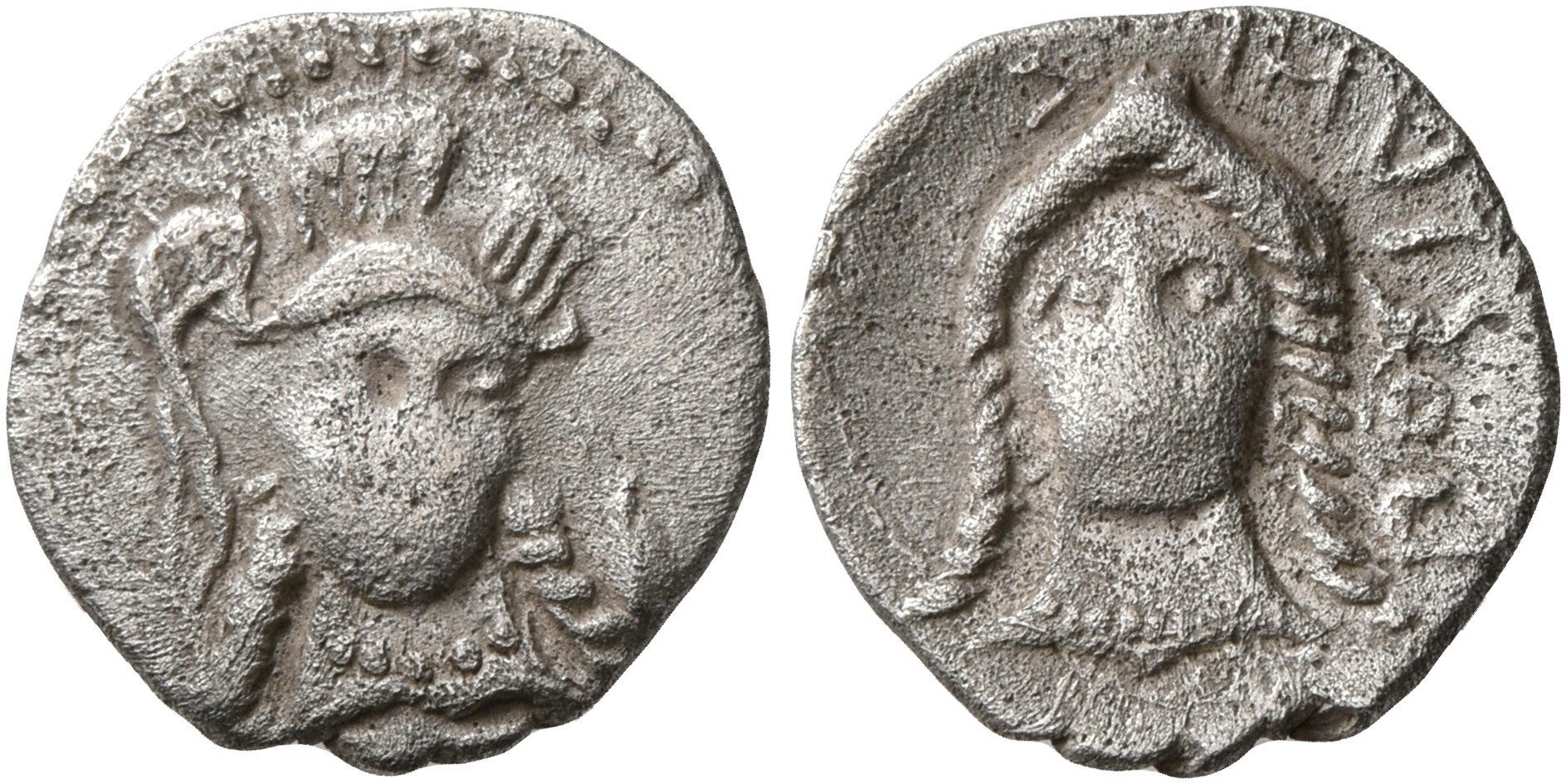
Figure 1. Type 1 – shield in right field on the obverse, ΠΟΣΙΔHI–Σ on the reverse.
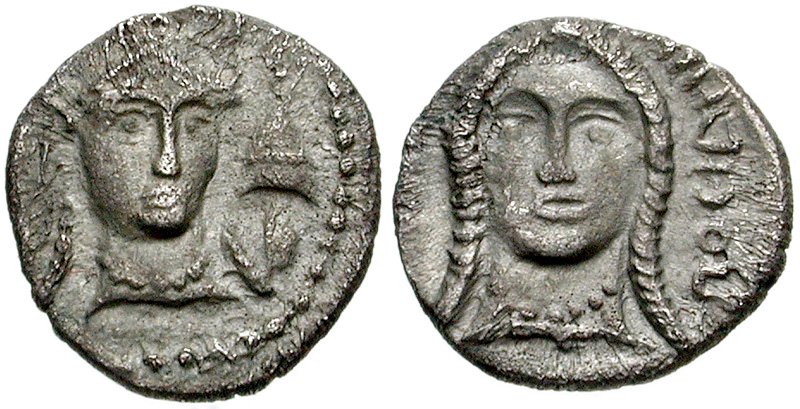
Figure 2. Type 1 – pileus above shield in right field on the obverse, ΠΟΣΙΔHIΣ on the reverse.
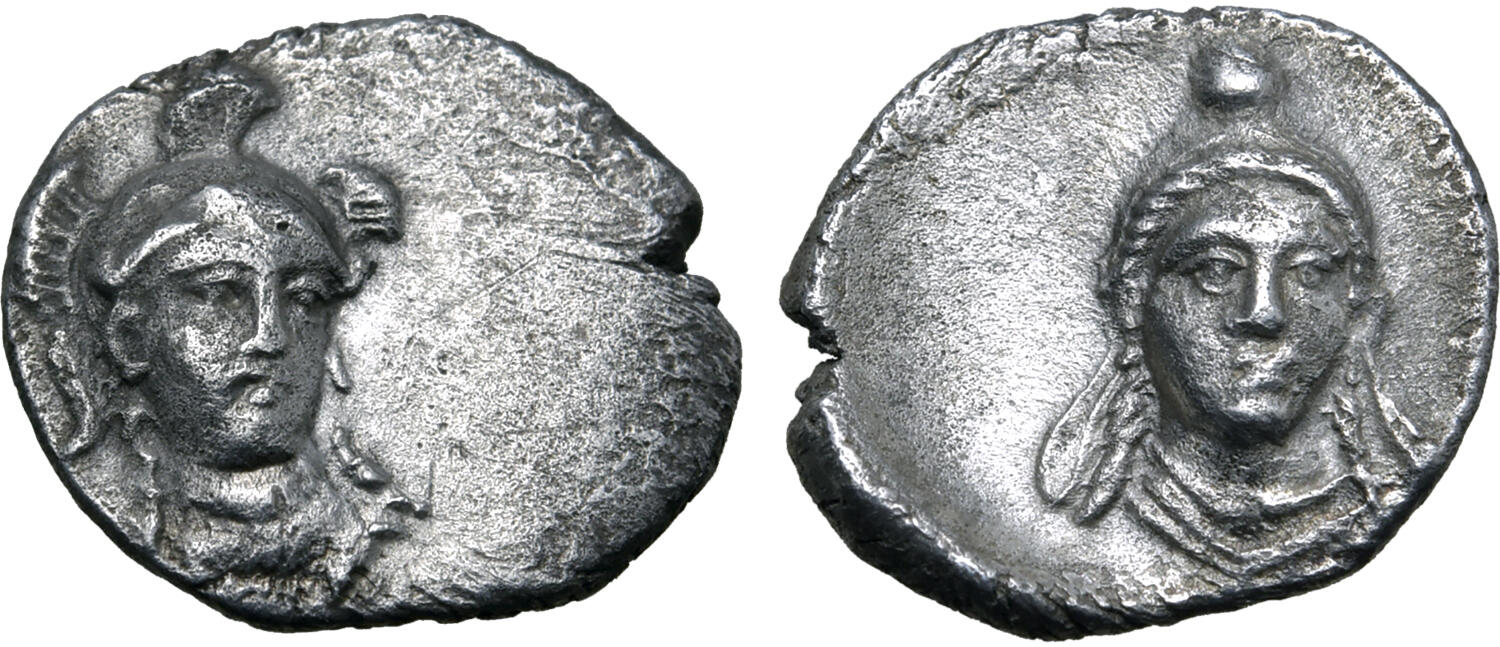
Figure 3. Type 2 – female head facing slightly right on the reverse.
Table 1 lists known specimens of both types; the list is not intended to be exhaustive.
| Type | No. | Reference | Weight |
|---|---|---|---|
| 1 | 1 | Leu Numismatik, Web Auction 34 (5–6 July 2025), Lot 743. Ex Collection of Judge Hans-Joachim Specht (1935–2024). (diameter 10 mm, die axis 12 h) |
0.64 g |
| 2 | Leu Numismatik, Web Auction 17 (14 August 2021), Lot 1206 (acsearch.info URL). (diameter 11 mm, die axis 6 h) |
0.67 g | |
| 3 | Classical Numismatic Group, Electronic Auction 131 (18 January 2006), Lot 91 (acsearch.info URL) = Shore 2005, Figure 2 (this coin). (diameter 10 mm) |
0.69 g | |
| 4 | Classical Numismatic Group, Electronic Auction 146 (23 August 2006), Lot 68 (acsearch.info URL). (diameter 10 mm) |
0.70 g | |
| 5 | Classical Numismatic Group, Mail Bid Sale 70 (21 September 2005), Lot 332 (acsearch.info URL) = Shore 2005, Figure 3 (this coin). (die axis 1 h) |
0.71 g | |
| 6 | Classical Numismatic Group, Electronic Auction 132 (1 February 2006), Lot 51 (acsearch.info URL). (diameter 10 mm) |
0.71 g | |
| 7 | Dr. Busso Peus Nachfolger, E-Auction 8 (19 January 2019), Lot 115 (acsearch.info URL). | 0.73 g | |
| 8 | Leu Numismatik, Web Auction 14 (12 December 2020), Lot 481 (acsearch.info URL). (diameter 12 mm, die axis 12 h) |
0.73 g | |
| 9 | Classical Numismatic Group, Electronic Auction 599 (12 November 2025), Lot 210 (acsearch.info URL). (diameter 9 mm) |
0.73 g | |
| 10 | Leu Numismatik, Web Auction 15 (27 February 2021), Lot 629 (acsearch.info URL). (diameter 10 mm, die axis 9 h) |
0.76 g | |
| 11 | Fritz Rudolf Künker GmbH & Co. KG, Auction 402 (14 March 2024), Lot 459 (acsearch.info URL). Ex Classical Numismatic Group, Electronic Auction 164 (9 May 2007), Lot 86 (acsearch.info URL). (diameter 10 mm) |
0.77 g | |
| 12 | Classical Numismatic Group, Electronic Auction 113 (11 May 2005), Lot 456 (acsearch.info URL). * Group lot of eight specimens of this type; individual weights not specified. |
—* | |
| 13 | Classical Numismatic Group, Electronic Auction 113 (11 May 2005), Lot 457 (acsearch.info URL). * Group lot of three different silver fractions; individual weights not specified. |
—* | |
| 2 | 14 | Sol Numismatik, Auction 39 (11 January 2025), Lot 45 (acsearch.info URL). Ex Sol Numismatik, Auction 37 (7 December 2024), Lot 2 (acsearch.info URL). |
0.57 g |
| 15 | Mixter 2003 (diameter 10 mm, die axis 12 h) |
0.58 g | |
| 16 | Roma Numismatics Limited, Auction 25 (22 September 2022), Lot 447 (acsearch.info URL). Ex DEMOS Auctions, Auction 7 (29 January 2022), Lot 256 (acsearch.info URL). (diameter 10 mm, die axis 12 h) |
0.60 g | |
| 17 | Shore 2005, Figure 1 | 0.61 g | |
| 18 | Biga Numismatics, Online Auction 7 (4 December 2021), Lot 287 (acsearch.info URL). | 0.65 g |
Table 1. Known specimens.
A bust of Athena wearing a triple-crested helmet appears on the obverse of various Cilician coins, but she faces three-quarters left on all of them (with the possible exception of the obol SNG Levante, 253):
| staters: | reverse: | Baal of Tarsos seated left |
| mints: | Issos, Mallos, Soloi, Tarsos and uncertain mints | |
| references: | SNG France 2, 196–8, 367–71, 410–13, 419–20, 489; SNG Levante, 52–3, 116–18, 120–1, 169–71, 178–80; SNG Levante Supp., 21 | |
| staters: | reverse: | Head of young Herakles (?) left or right |
| mint: | Issos | |
| references: | Brindley 1993, Group 6; SNG France 2, 414 | |
| obols: | reverse: | Boeotian shield |
| mint: | Tarsos | |
| references: | SNG France 2, 476; SNG Levante, 119 | |
| obols: | reverse: | Head of young Herakles (?) left or right |
| mint: | probably Issos | |
| references: | Brindley 1993, note 24 on p. 9; several specimens on the market, e.g. Classical Numismatic Group, Electronic Auction 148 (20 September 2006), Lot 217 (acsearch.info URL) | |
| obols: | reverse: | Persian king standing right |
| mint: | uncertain | |
| references: | SNG France 2, 475 | |
| obols: | reverse: | Gorgoneion |
| mint: | uncertain | |
| references: | SNG France 2, 478 | |
| obols: | reverse: | Pegasus right |
| mint: | uncertain | |
| references: | SNG Levante, 253 (?); Triskeles Auctions, Sale 22 (15 December 2017), Lot 139 (acsearch.info URL); Roma Numismatics Limited, E-Sale 119 (24 April 2024), Lot 786 (acsearch.info URL) | |
| remark: | On SNG Levante 253, Athena faces slightly right, but it is uncertain whether the figure is actually Athena wearing a triple-crested helmet. | |
| hemiobols: | reverse: | Forepart of Pegasus right |
| mint: | uncertain | |
| references: | Classical Numismatic Group, Electronic Auction 235 (23 June 2010), Lot 226 (acsearch.info URL); Classical Numismatic Group, Electronic Auction 390 (1 February 2017), Lot 180 (acsearch.info URL) |
A frontal female head with long hair or a headdress reaching the shoulders, as depicted on the reverse, has no parallel in Cilicia or the surrounding regions. The closest, though still remote, parallel is the female head on the obverse (?) of a tetartemorion probably from Samaria or Philistia (Figure 4):
| Obverse: | Facing female head with long hair (or a headdress?), wearing a kalathos. | |
| Reverse: | Forepart of a winged horse right. | |
| Reference: | Classical Numismatic Group, Mail Bid Sale 73 (13 September 2006), Lot 472 (acsearch.info URL). Ex Classical Numismatic Group, Mail Bid Sale 63 (21 May 2003), Lot 788 (acsearch.info URL). |
|
| Remarks: | (1) | Weight and die axis: 0.16 g, 5 h. |
| (2) | Not published in either Meshorer & Qedar 1999 or Gitler & Tal 2006. | |
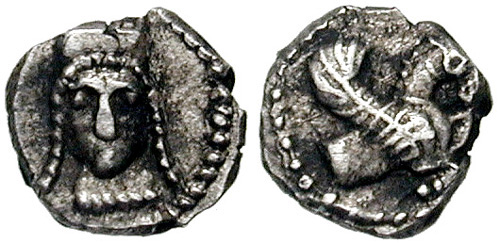
Figure 4. AR Tetartemorion, Samaria or Philistia (?), c. 375–333 BC. Photo credit: Classical Numismatic Group, Mail Bid Sale 73 (13 September 2006), Lot 472 (acsearch.info URL).
Weight analysis
Basic descriptive statistics and box plots1 are presented in Table 2 and Figure 5, respectively. The Type 1 sample comprises 11 coins because specimens of unknown weight were omitted. Figure 6 presents relative frequency histograms covering weights from 0.55 to 0.80 g in intervals of 0.05 g. Cumulative distributions are shown in Figure 7.
The mean weight of Type 2 coins is 0.11 g lower than that of Type 1 coins. The two weight ranges barely overlap: the heaviest Type 2 coin weighs 0.65 g, while the lightest Type 1 coin weighs 0.64 g. The lower mean weight of Type 2 is also supported by a one-sided Welch’s t-test2, which rejects the null hypothesis of equal means in favour of the alternative that the mean weight of Type 1 is higher than that of Type 2 (p < 0.001). In addition, the two-sample Kolmogorov–Smirnov test rejects the null hypothesis that the two types have the same weight distribution (p = 0.002).
However, this difference in weight does not exclude the possibility that both coin types come from the same mint. Comparable differences occur between phases of obol production at Kelenderis and Nagidos (see the sections Weight Analyses / Kelenderis / Obols and Weight Analyses / Nagidos / Silver fractions).
| Statistics | Type 1 | Type 2 |
|---|---|---|
| Number of coins: | 11 | 5 |
| Mean: | 0.71 | 0.60 |
| Standard deviation: | 0.04 | 0.03 |
| Interquartile range: | 0.04 | 0.04 |
| Skewness: | -0.33 | 0.63 |
| Kurtosis: | 2.59 | 2.19 |
| Minimum: | 0.64 | 0.57 |
| 25th percentile: | 0.69 | 0.58 |
| Median: | 0.71 | 0.60 |
| 75th percentile: | 0.73 | 0.62 |
| Maximum: | 0.77 | 0.65 |
Table 2. Descriptive statistics
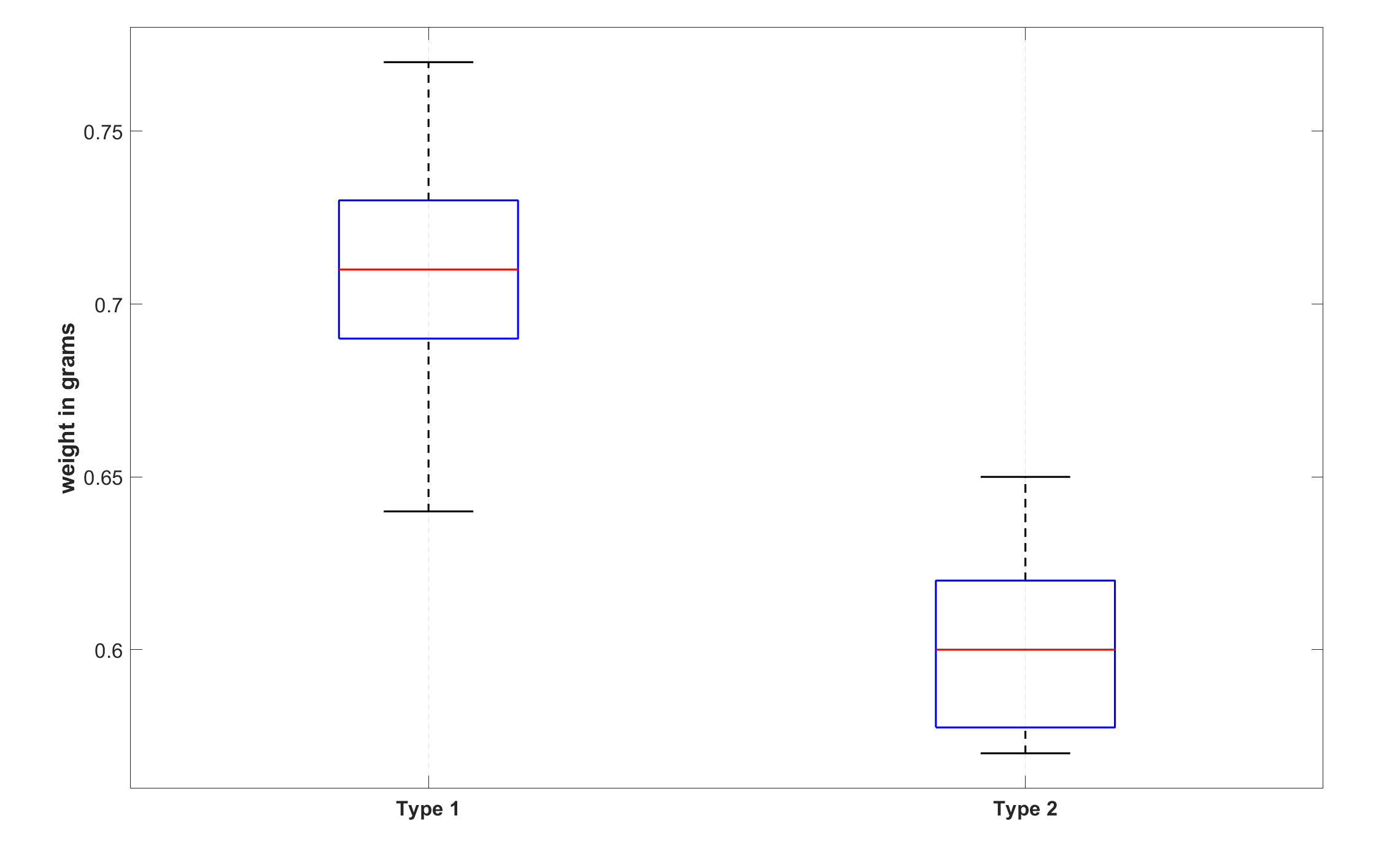
Figure 5. Weight analysis – box plots.
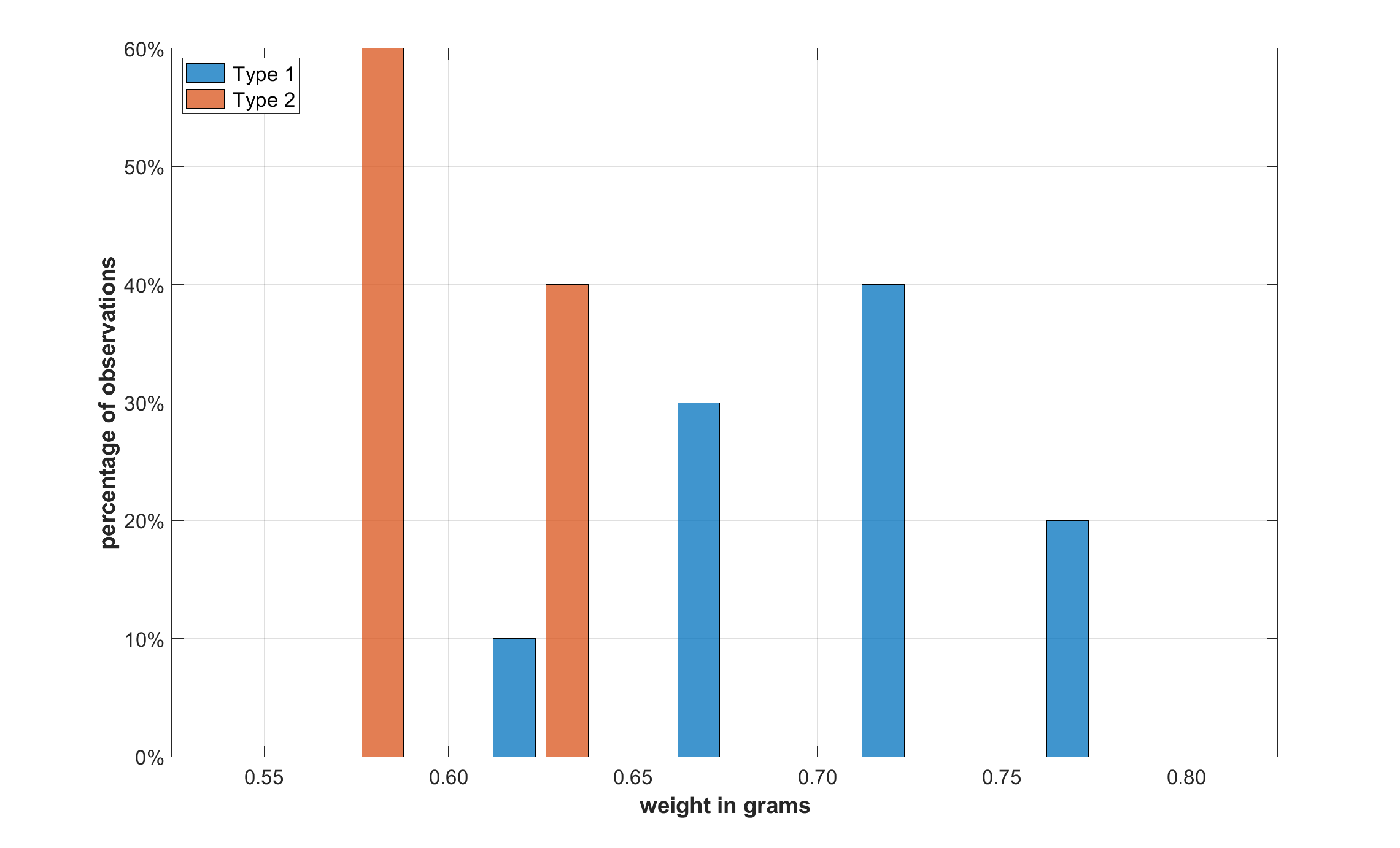
Figure 6. Weight analysis – relative frequency histograms.
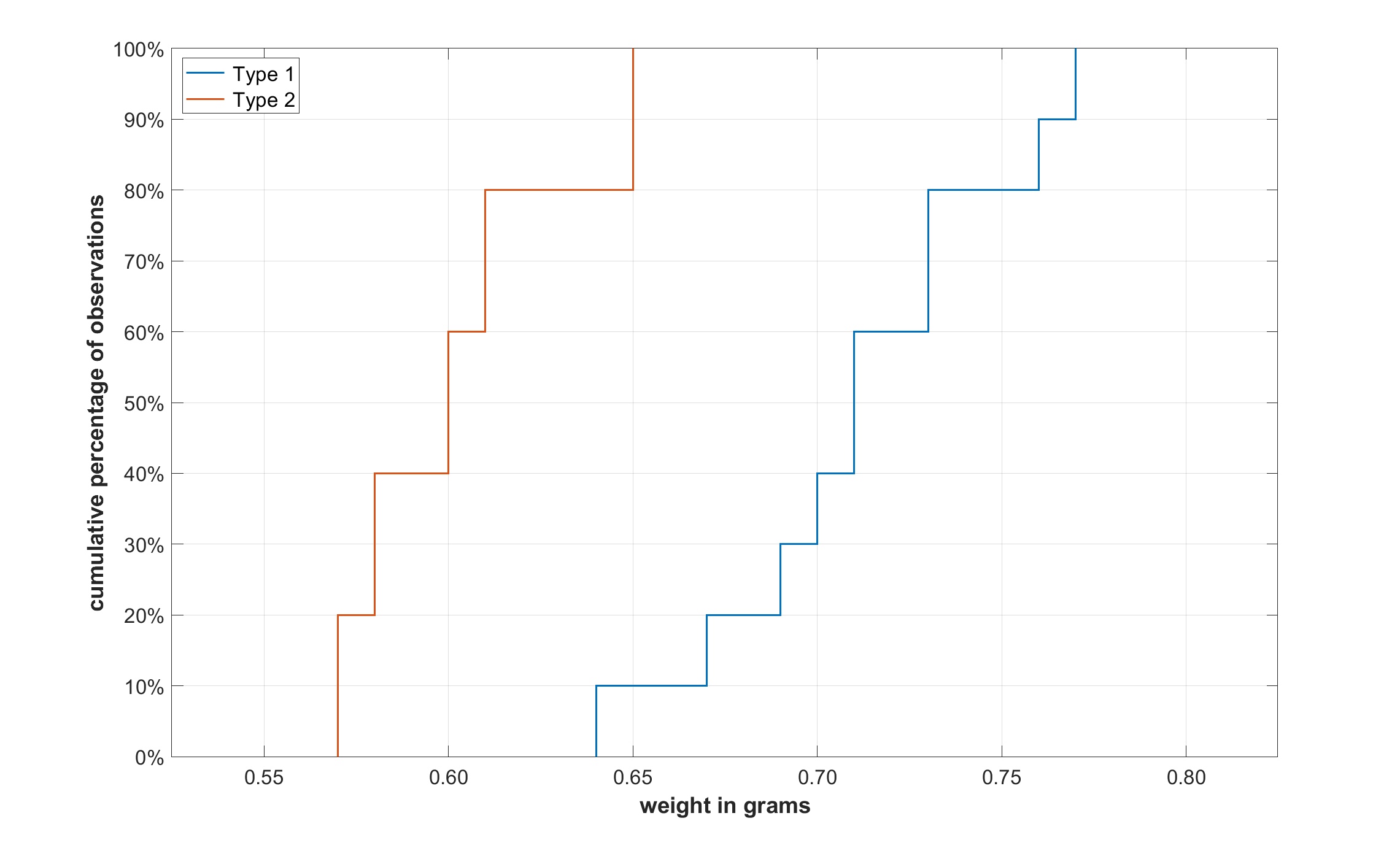
Figure 7. Weight analysis – cumulative distributions.
Attribution
Based on the similarity between the two types, Fred B. Shore (Shore 2005) concluded that they were struck at the same mint. On the basis of the inscription on Type 1 coins, he attributed both types to the otherwise unattested city of Posidium in Cilicia Trachea. John R. Mixter (Mixter 2003), who was unaware of Type 1 coins, considered Tarsos the most likely mint for Type 2.
Both coin types depict the same motifs on the obverse and reverse. Both also show Athena facing three-quarters right, which distinguishes them from the other Cilician coins discussed above. However, there are three differences. First, Type 1 bears an inscription on the reverse and additional symbols on the obverse, whereas Type 2 is anepigraphic and lacks additional symbols. Second, the artistic style of Type 2 is more refined than that of Type 1 (see Figures 1–3). Third, Type 2 coins are generally lighter than Type 1 coins, as shown above. Taken together, these observations suggest that the two types may, but need not, originate from the same mint. If they do, Type 1 probably precedes Type 2 in the relative chronology.
The identification of this mint is problematic, however. On the two specimens of Type 1 available to Shore, only the initial parts of the reverse inscription are preserved: ΠΟΣΙΔ[…] and ΠΟΣ[…]. He therefore believed that the inscription was derived from the name of the god Poseidon. Since Poseidon is not depicted on these coins, he concluded that the inscription represented a city ethnic. Several cities bore names derived from Poseidon, but the style and fabric of the coins point to Cilicia or a neighbouring region. Shore therefore considered two possible locations: Posideion in Syria3 and a hypothetical city of the same name in Cilicia Trachea. No Cilician city of that name is attested, but the Stadiasmus Maris Magni mentions Cape Poseidion, between Kelenderis and Anemourion, where a settlement of that name may have existed.4 On the basis of similarities between the depiction of Athena on these coins and on various Cilician issues, Shore ruled out Posideion in Syria and concluded that the coins proved the existence of a city named Posideion (Posidium) in Cilicia Trachea.
The inscription ΠΟΣΙΔHIΣ is probably a dialectal form of a theophoric name derived from Poseidon, although its form is highly unusual. It may refer to the name of a city or tribe, but it may also be a local form of the personal name “Ποσιδής” (Posidēs). The possibility of a personal name is also supported by the fact that neither Poseidon nor any of his attributes are depicted on these coins. A comparable personal name occurs on an issue from Maroneia in Thrace, which bears the reverse inscription ΕΠΙ ΠΟΣΙΔΗΙΟ (“under Posidēios”, i.e. “during the magistracy of Posidēios”), as shown in Figure 8. The evidence for attributing Types 1 and 2 to a small city called Posidium in Cilicia Trachea is therefore inconclusive, although this possibility cannot be completely ruled out.
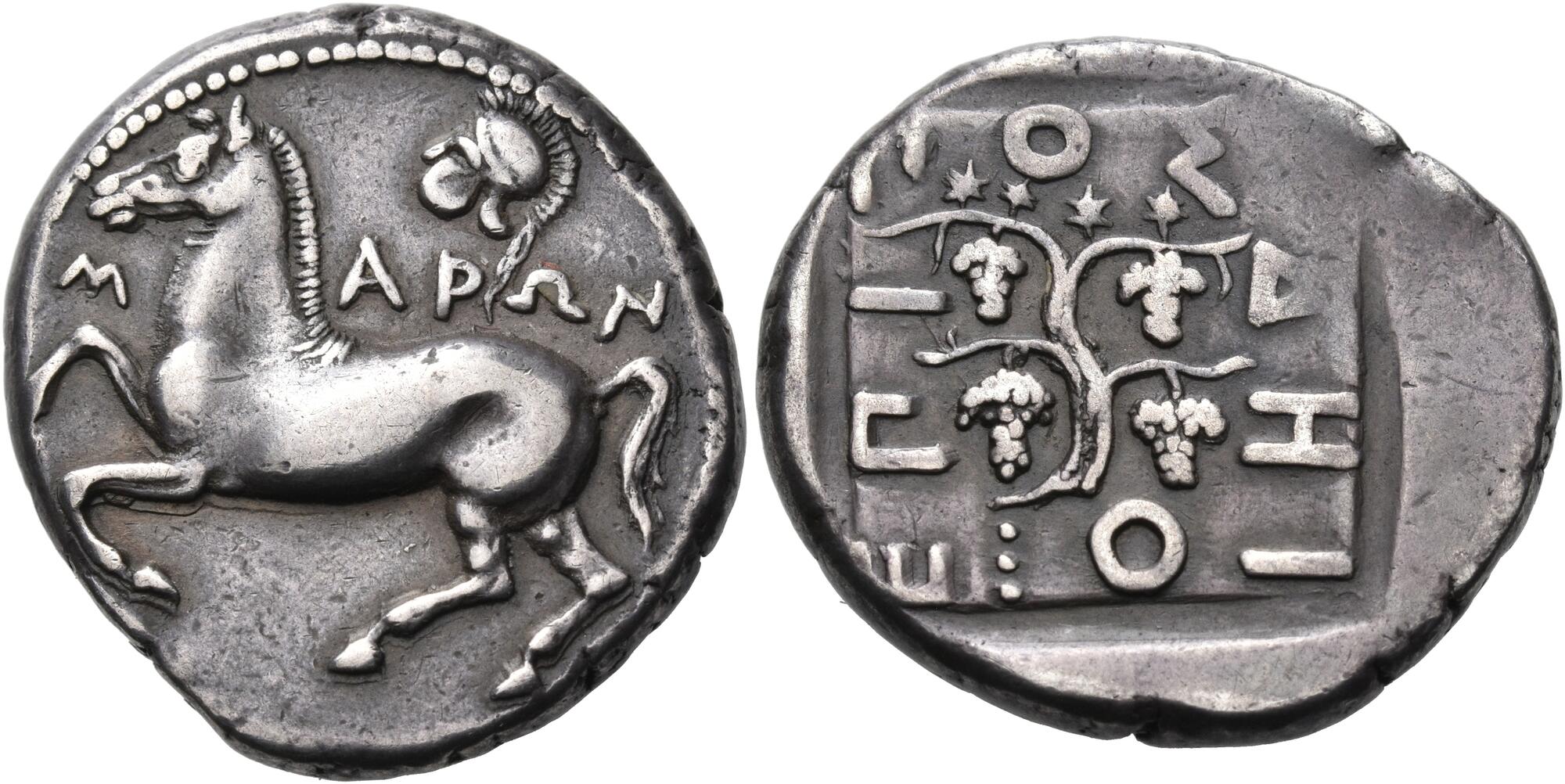
Figure 8. Thrace, Maroneia, AR stater, c. 436/5–411/0 BC. SNG Lockett 3, 1193. Photo credit: Nomos AG, Auction 27 (22 May 2023), Lot 1056 (acsearch.info URL).
1 The bottom and top of each box represent the 25th and 75th percentiles of the dataset, respectively (the lower and upper quartiles). Thus, the height of the box corresponds to the interquartile range (IQR). The red line inside the box indicates the median. The upper whisker extends to the largest observation no more than 1.5 times the IQR above the upper quartile; the lower whisker extends to the smallest observation no more than 1.5 times the IQR below the lower quartile. Observations beyond the whiskers are marked as outliers and represented by small red circles.
2 The two-sample t-test uses effective degrees of freedom approximated by the Welch–Satterthwaite equation.
3 For the location of this city and the ancient sources, see Courbin 1986 and ToposText, Poseideion (Syria). For coins from this city, see Le Rider 1986, Alischan 1898, Hill 1898, and BMC 20, pp. lxxix–lxxx.
4 Stadiasmus Maris Magni, 193: [192] From Kelenderis to Mandane 100 stades. [193] From Mandane to the promontory called Poseidion 60 stades. [194] From Mandane to [lands] of Dionysophanes 30 stades. [195] From Dionysophanes to Rhygmanoi 50 stades. [196] From Rhygmanoi to Anemourion 50 stades.
27 June 2025 – 5 September 2026