Analysed coins Die analysis Visual catalogue
Analysed coins
| Coin catalogue section: | Aphrodisias |
| Coin corpus dataset: | Aphrodisias, Obols |
The number of analysed coins recorded in the corpus as of 2 June 2025 is presented in Table 1 (for coin AP2001, it is not possible to determine whether it is variant 2a or 2b).
| Type | Count |
|---|---|
| 2– | 1 |
| 2a | 1 |
| 2b | 18 |
| Total | 20 |
Table 1: Number of analysed coins
Die analysis
Identifying the dies of these obols is particularly difficult because of their state of preservation, the quality of the strikes, and the low resolution of some photographs. Consequently, the overview of obverse dies in Table 2 should not be regarded as definitive. The identification of reverse dies is even less reliable, and they are therefore omitted from Table 2; the identity of the reverse dies is certain in only a few cases, such as specimens 8 and 13 of variant 2b.
| Type | Ref. No. | Specimen | Obverse die |
|---|---|---|---|
| 2– | AP2001 | 1 | O7 |
| 2a | AP2002 | 1 | O1 |
| 2b | AP2003 | 1 | O2 |
| AP2004 | 2 | O3 | |
| AP2005 | 3 | O2 | |
| AP2006 | 4 | O2 | |
| AP2007 | 5 | O4 | |
| AP2008 | 6 | O3 | |
| AP2009 | 7 | O5 | |
| AP2010 | 8 | O2 | |
| AP2011 | 9 | O4 | |
| AP2012 | 10 | O2 | |
| AP2013 | 11 | O6 | |
| AP2014 | 12 | O4 | |
| AP2015 | 13 | O2 | |
| AP2016 | 14 | O2 | |
| AP2017 | 15 | O5 | |
| AP2018 | 16 | O4 | |
| AP2019 | 17 | O4 | |
| AP2020 | 18 | O4 |
Table 2: Overview of the obverse dies used to strike individual coins
Estimates of the sample coverage (the number of coins in the original population struck by dies represented in the sample, divided by the total number of coins struck by all dies) and of the original number of dies are given for completeness in Table 3.1 The coverage value of 0.850 is relatively high. The estimated number of original dies is approximately 12, while the observed number of dies is close to the lower end of the 95% confidence interval (7 vs 7.4). However, because the number of coins analysed is small and, as mentioned above, the identification of the dies is not completely certain, these values should be interpreted with considerable caution. Die frequencies—that is, the numbers of dies observed once, twice, and so on—are shown in Figure 1.
| number of analysed coins: | 20 |
| number of observed dies: | 7 |
| mean number of coins per observed die: | 2.857 |
| coverage and its 95% confidence interval: | 0.850 |
| 0.594 – 1 | |
| original number of dies and its 95% confidence interval: | 11.8 |
| 7.4 – 18.9 |
Table 3: Statistics and estimates
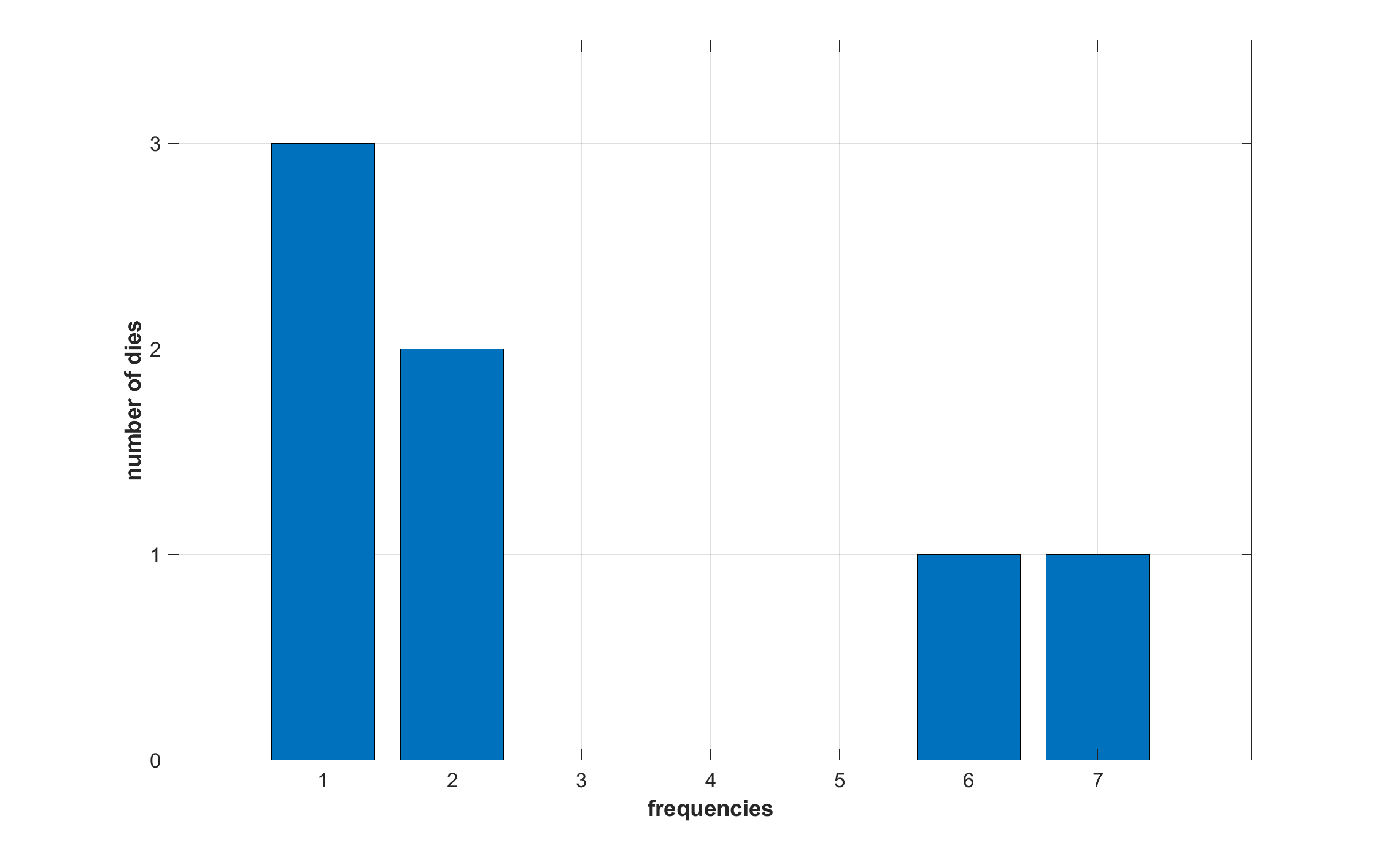
Figure 1: Die frequencies
Visual catalogue
Photo credits are provided in the coin corpus dataset for Aphrodisias obols. In some photographs, the two sides have been transposed to maintain a consistent obverse–reverse order.
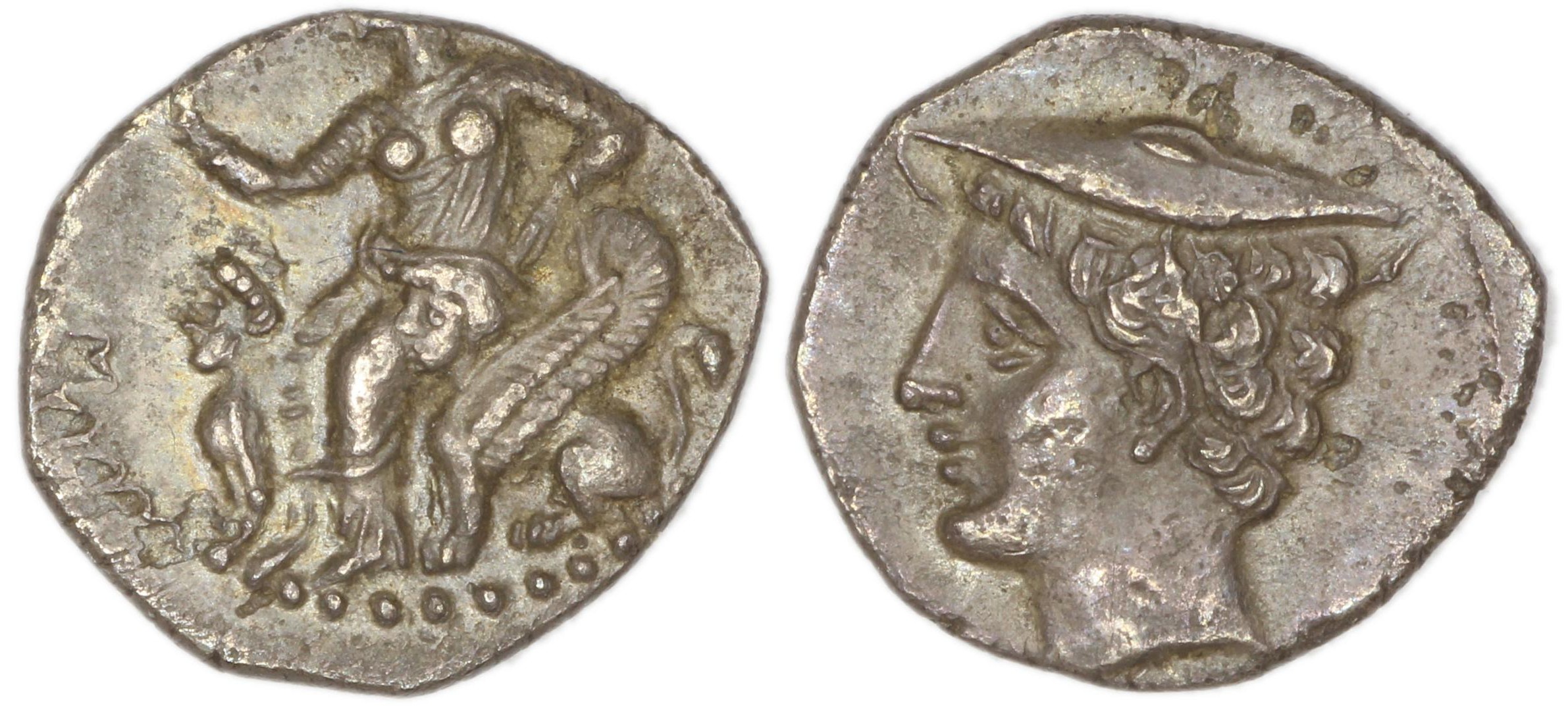
Type 2–, Specimen 1 (Ref. No. AP2001). Obverse die O7.
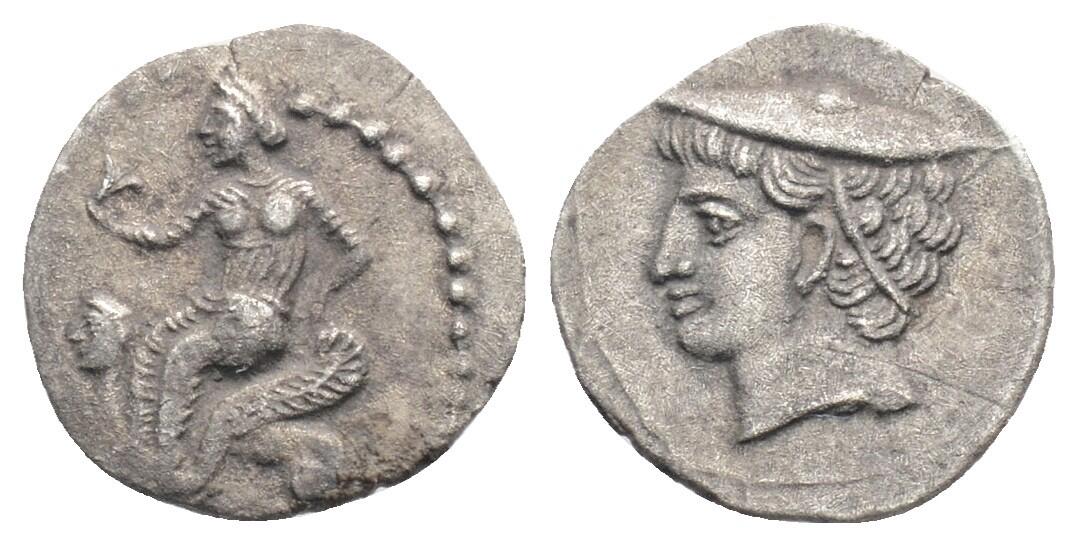
Type 2a, Specimen 1 (Ref. No. AP2002). Obverse die O1.
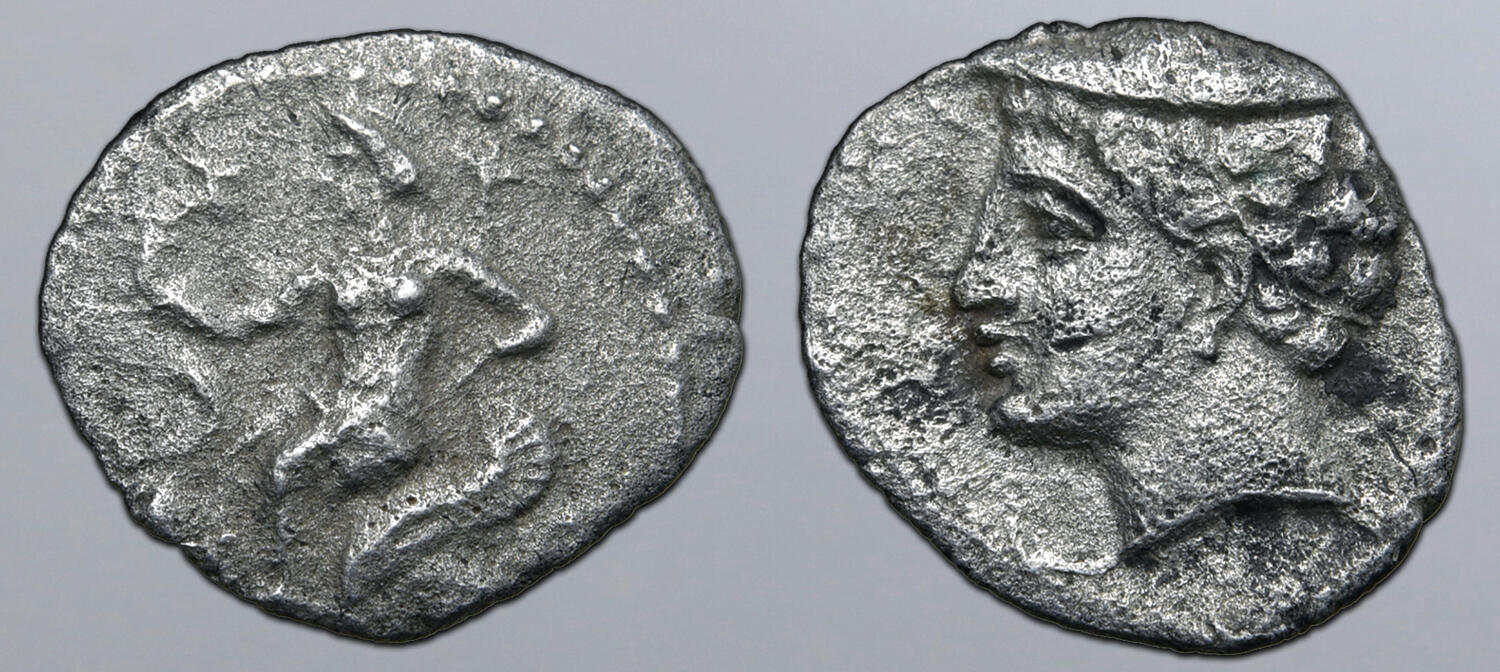
Type 2b, Specimen 1 (Ref. No. AP2003). Obverse die O2.
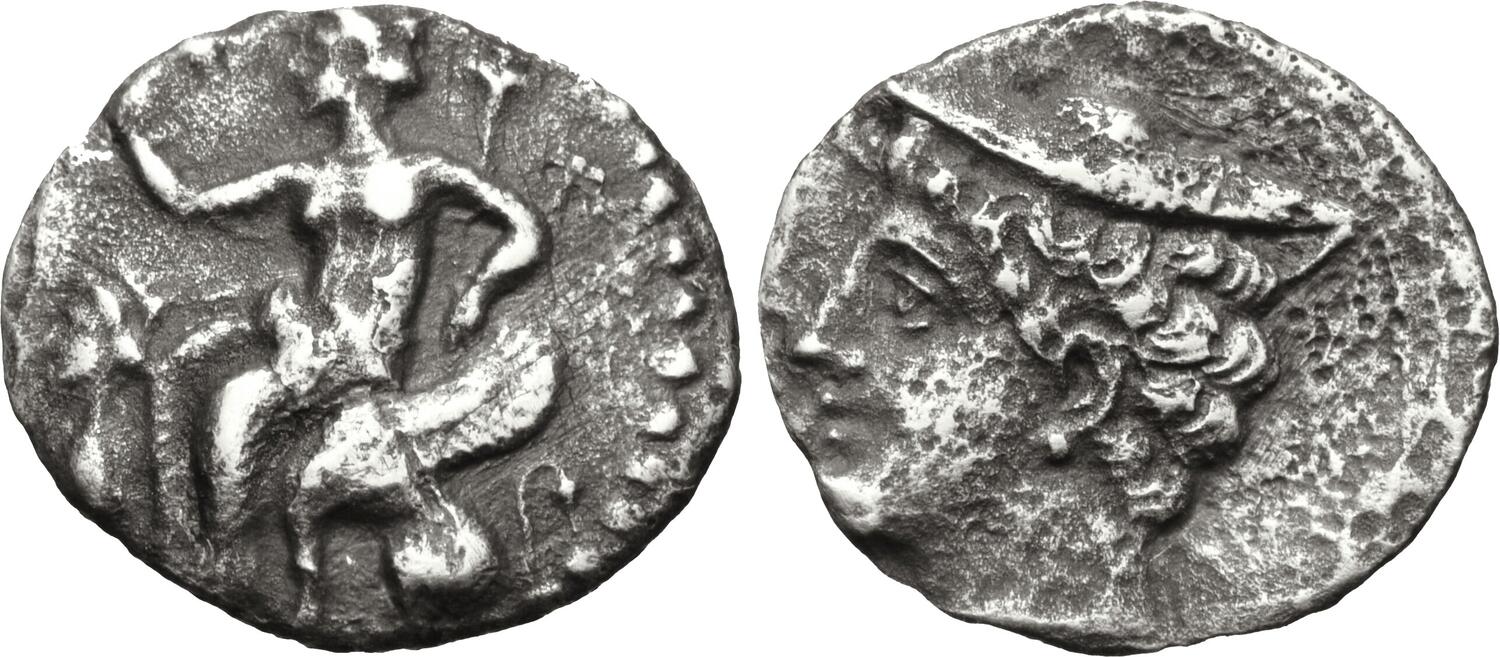
Type 2b, Specimen 2 (Ref. No. AP2004). Obverse die O3.
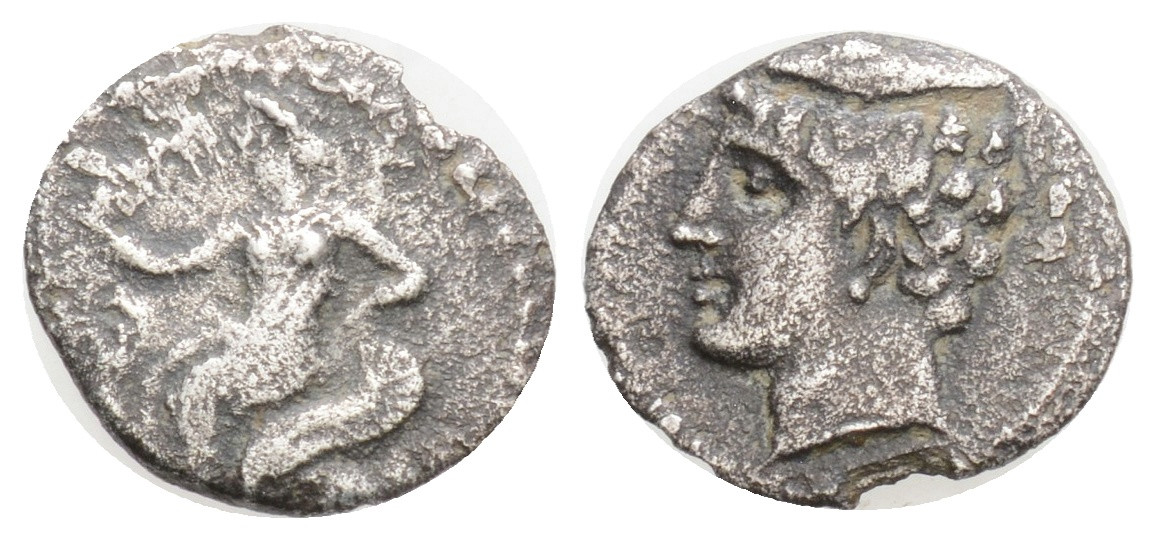
Type 2b, Specimen 3 (Ref. No. AP2005). Obverse die O2.
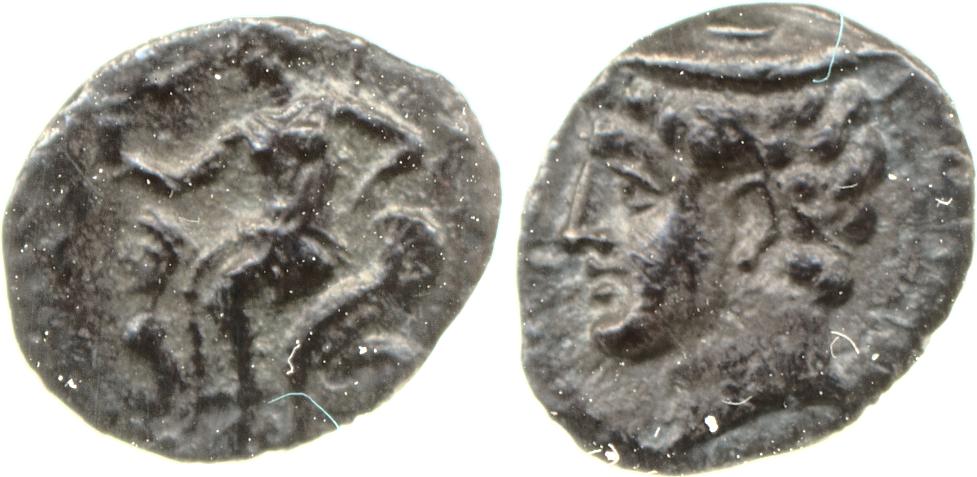
Type 2b, Specimen 4 (Ref. No. AP2006). Obverse die O2.
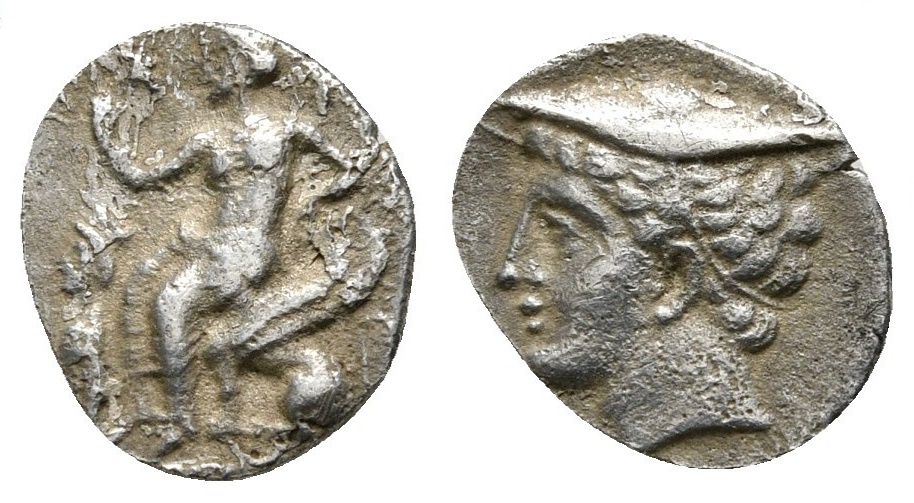
Type 2b, Specimen 5 (Ref. No. AP2007). Obverse die O4.

Type 2b, Specimen 6 (Ref. No. AP2008). Obverse die O3.
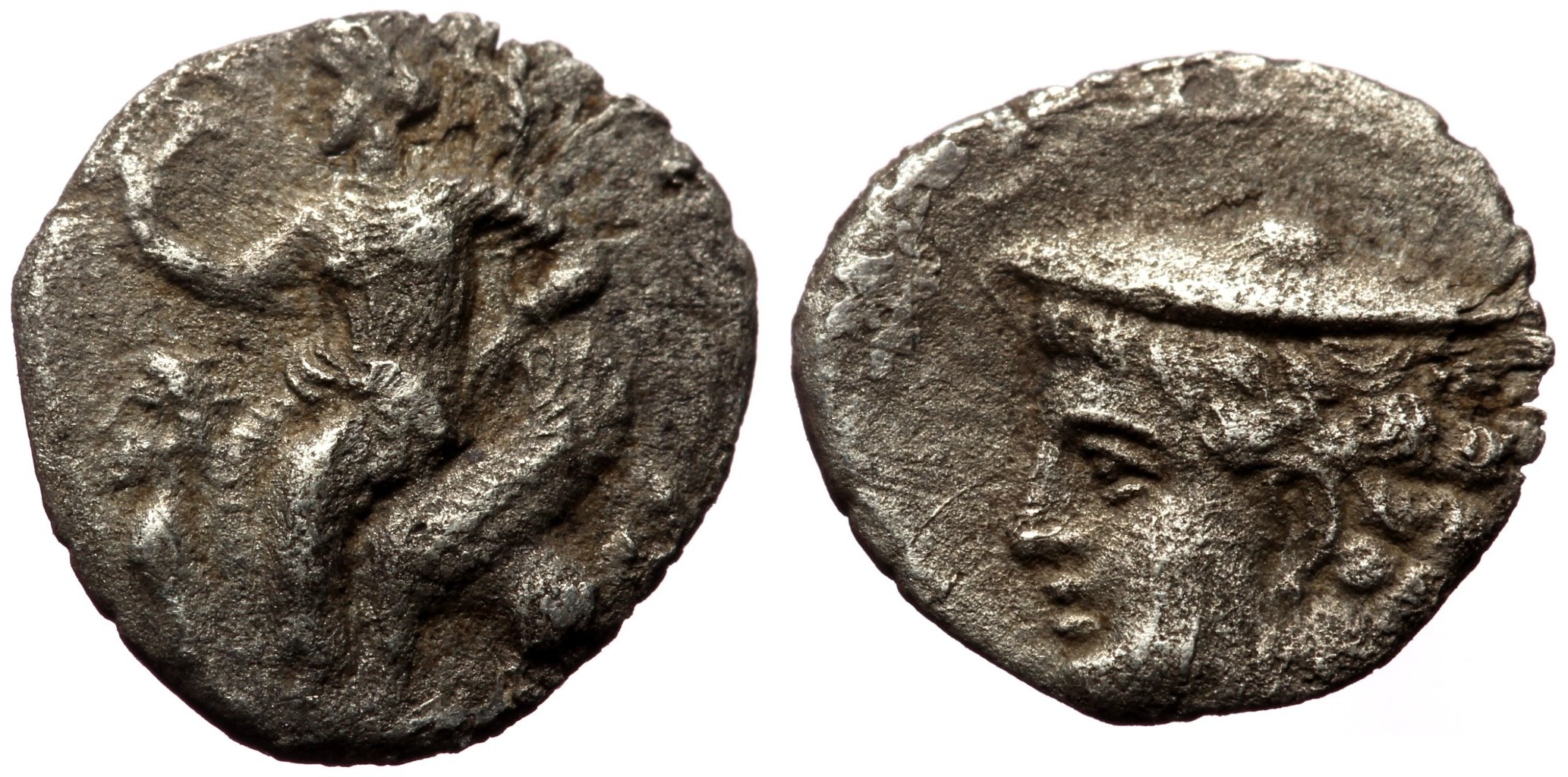
Type 2b, Specimen 7 (Ref. No. AP2009). Obverse die O5.
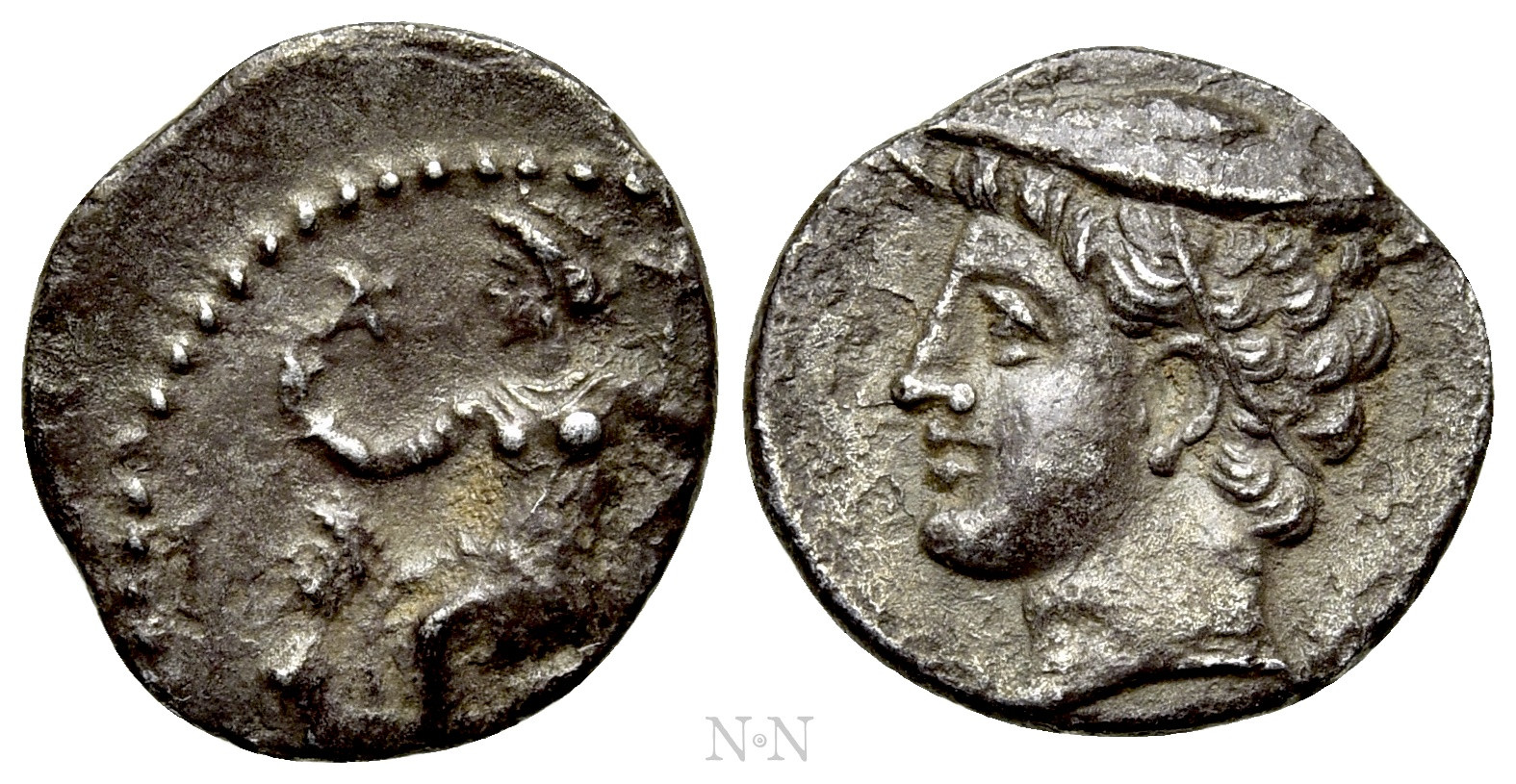
Type 2b, Specimen 8 (Ref. No. AP2010). Obverse die O2.
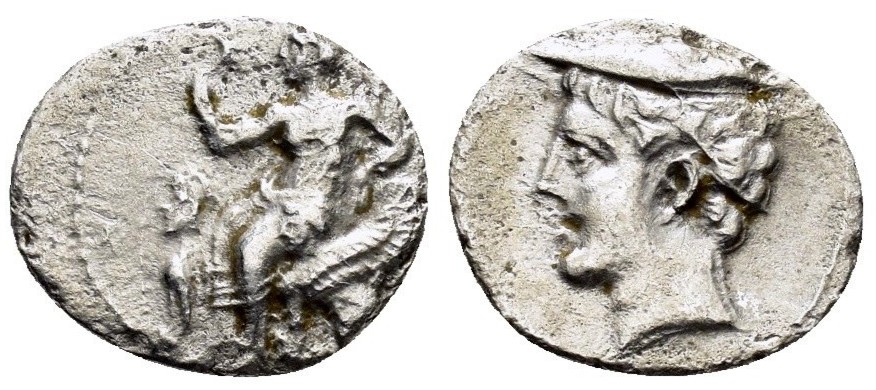
Type 2b, Specimen 9 (Ref. No. AP2011). Obverse die O4.
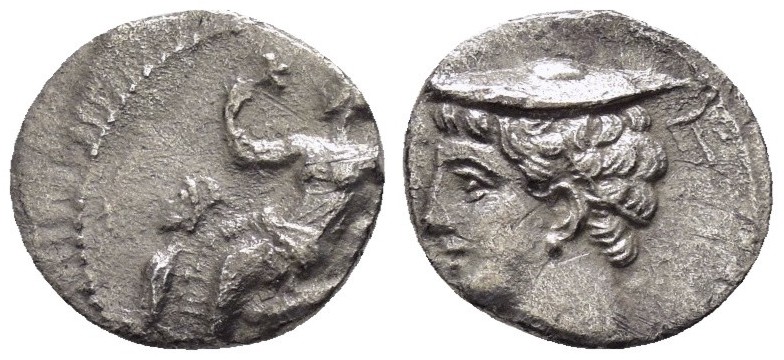
Type 2b, Specimen 10 (Ref. No. AP2012). Obverse die O2.
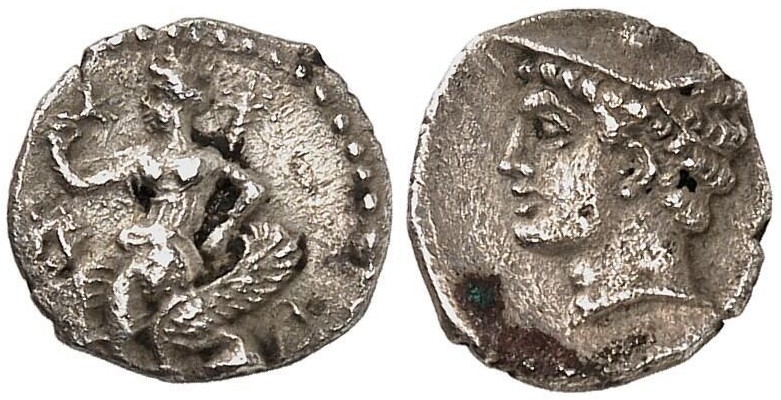
Type 2b, Specimen 11 (Ref. No. AP2013). Obverse die O6.
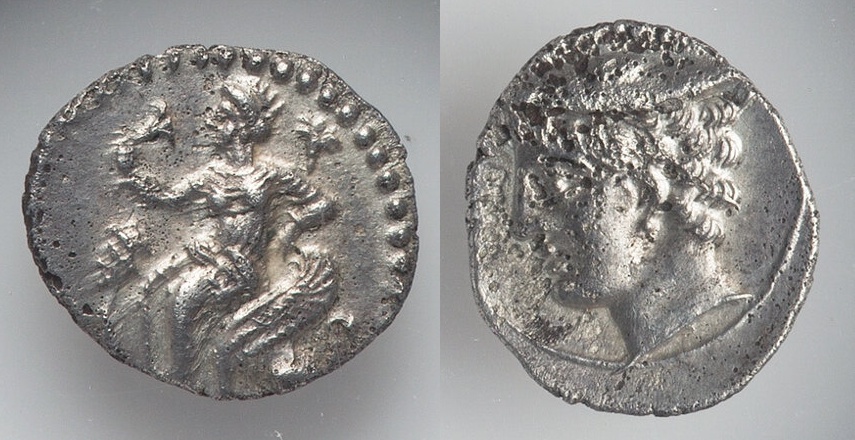
Type 2b, Specimen 12 (Ref. No. AP2014). Obverse die O4.
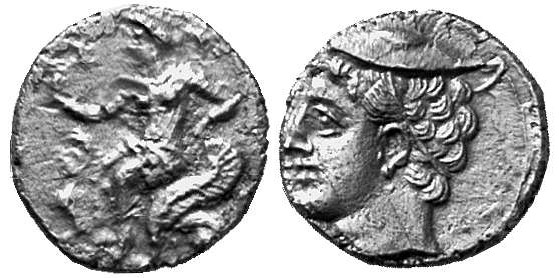
Type 2b, Specimen 13 (Ref. No. AP2015). Obverse die O2.
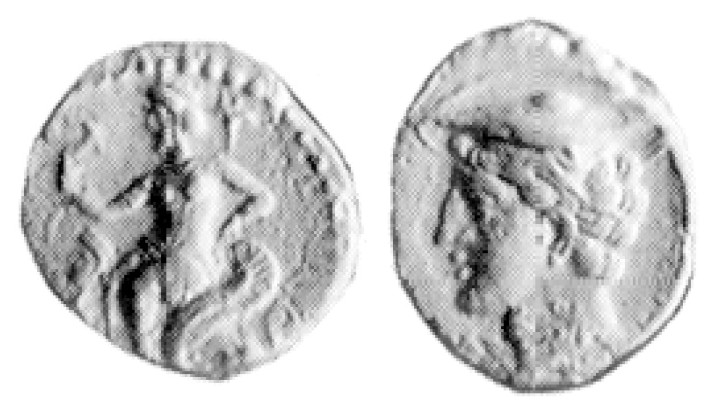
Type 2b, Specimen 14 (Ref. No. AP2016). Obverse die O2.
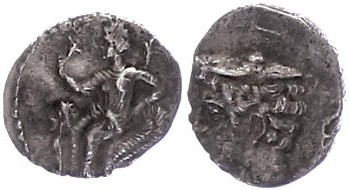
Type 2b, Specimen 15 (Ref. No. AP2017). Obverse die O5.
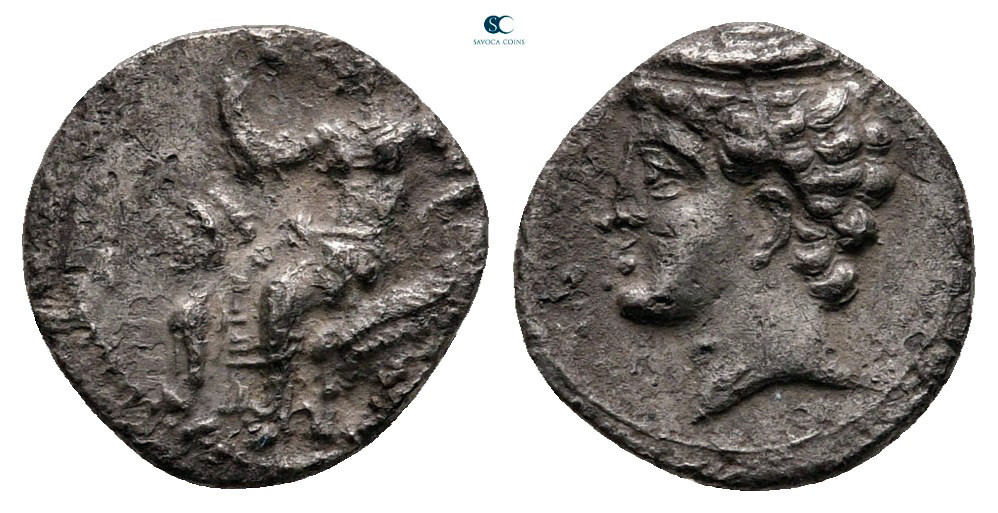
Type 2b, Specimen 16 (Ref. No. AP2018). Obverse die O4.

Type 2b, Specimen 17 (Ref. No. AP2019). Obverse die O4.
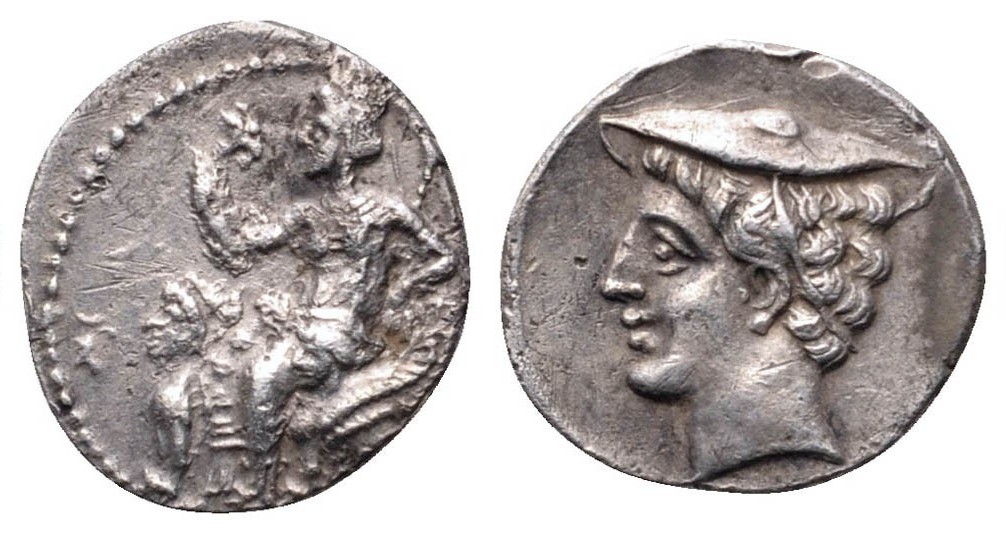
Type 2b, Specimen 18 (Ref. No. AP2020). Obverse die O4.
1 The estimates of sample coverage and the original number of dies were calculated using formulae (3) and (5) in Esty 2011, pp. 49–50. Their confidence intervals were calculated using formulae (4) and (5) in Esty 2006, p. 360.
2 June 2025 – 25 September 2026